

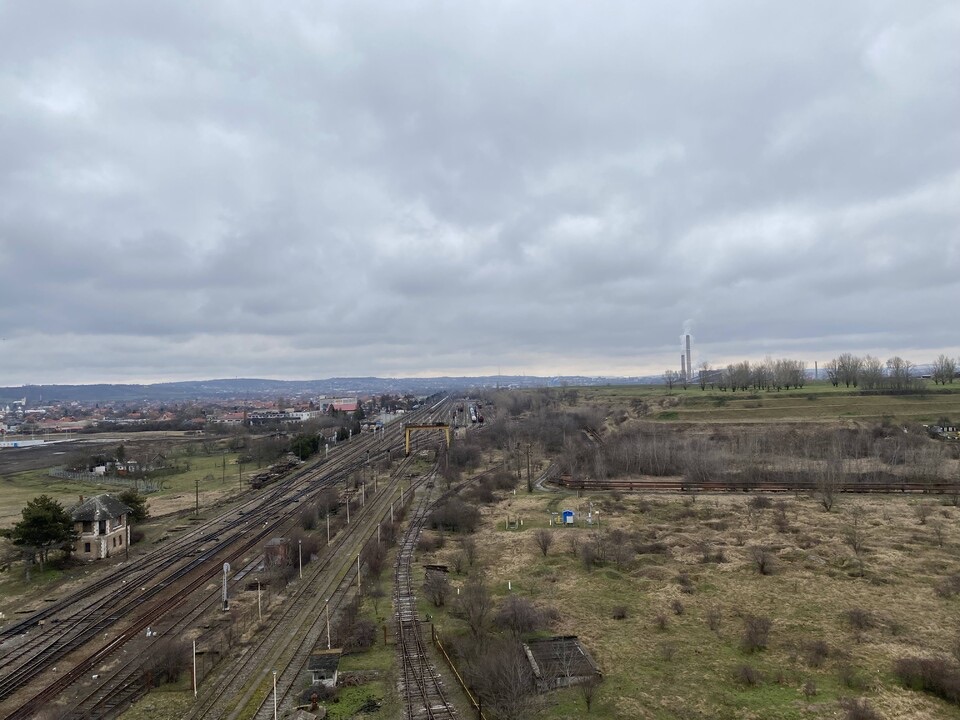
I am privileged to work as a U.S. commercial diplomat in Romania, on the Eastern border of the European Union and diverse in commerce and culture. For a first-hand view of how Romania welcomes people and products at its sea and land borders, my colleagues and I visited two trading centers that serve the vast markets of Central and Southeast Europe: the inland port of Oradea, bordering Hungary and home to ever-expanding, road, rail and air operations that reach EU's far-flung markets; and the Black Sea port of Constanta, largest in the region and the nexus for waterborne movement of goods by river and sea.
Both ports play outsized roles in global commerce, more so since Russia's invasion of Ukraine one year ago. Romania's people, governments and industries have aided their next-door neighbors in every form, including the profound need to absorb the movement of grain and mineral commodities and capital equipment into and from Ukraine. Indeed, one year into this war, the multinational companies who make these border engines hum have absorbed unexpected volumes through existing resources, all the while sustaining their commitment to Romanian industry and communities.
These strategic port cities thrive, thanks to their businesses who have handled the transit of people and products for centuries, often amidst political and social upheaval due to re-drawing national boundaries and shifting political alliances. Indeed, since 1989, Constanta and Oradea transportation companies have worked to reshape Romania's business model from staid, state-owned enterprises to nimble, multinational trading partners who serve NATO and EU nations with an optimistic eye to the far horizons on sea and land.
#TradeMeansJobs #FriendsPartnersAllies #InlandPorts #BlackSeaPorts